Pet lives are short and dense with milestones — except the milestones don't announce themselves the way human ones do. Nobody sends a calendar alert for "last time she'll want the stairs" or "first time he chose to sit with a stranger." The camera's job is to catch what attention catches. Here's the field guide: the firsts to watch for, the lasts to honor, and the discipline of photographing less than you want to.
The firsts (shoot immediately)
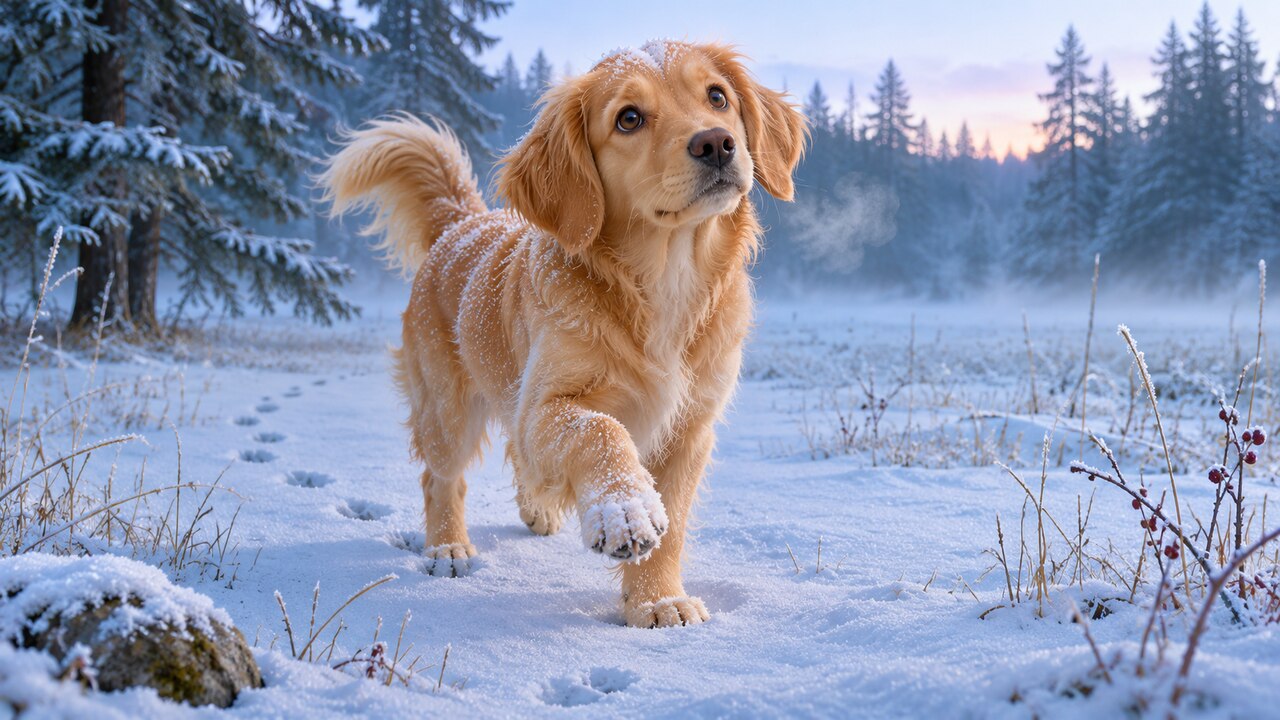
- First snow. The single most expressive first — confusion, delight, the high-step. Get low, shoot into the light, let the breath show. Burst everything.
- First beach/river/lake. Water firsts are wet-camera risks and worth it: the moment of decision at the waterline beats any later swim.
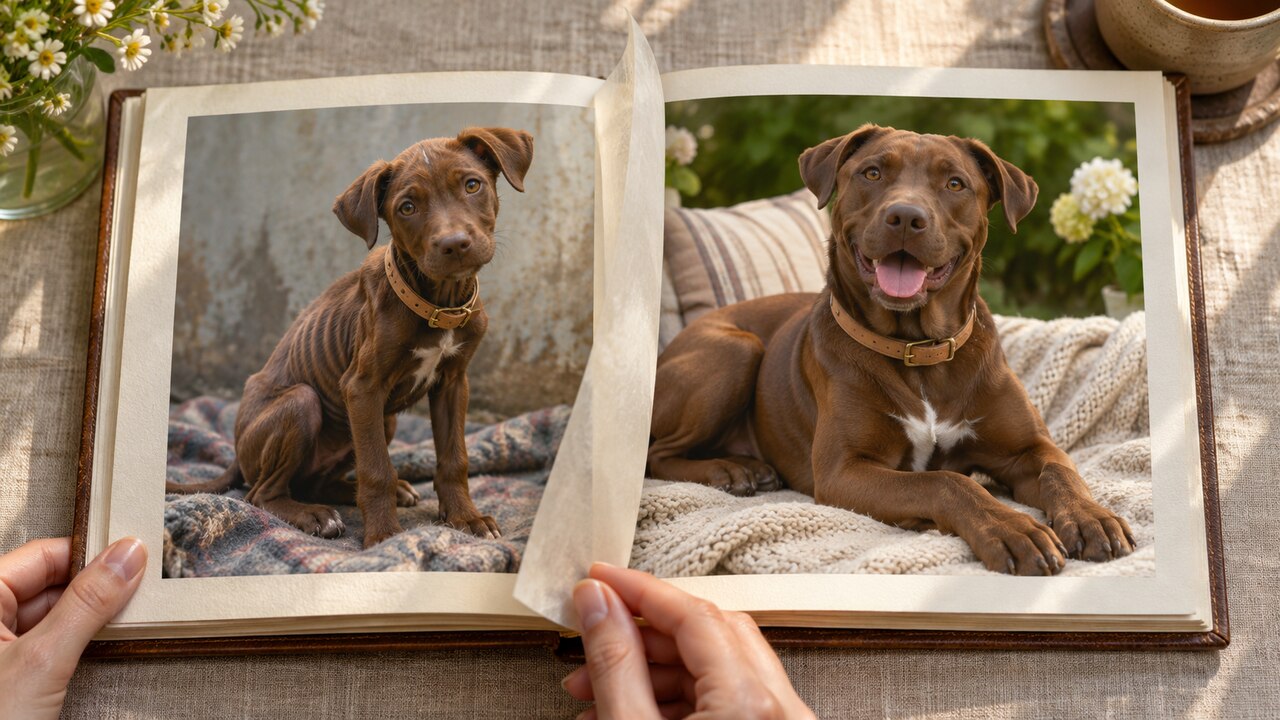
- First night home — the adoption first (gotcha-day guide); dark, blurry and irreplaceable.
- First meeting — the other pet, the baby, the grandparents. Keep distance, keep calm, one frame; the introduction matters more than the photograph.
- First successful trick / first agility course / first camping trip — the achievement firsts, one per year is plenty.
- First gray hairs. Not a happy milestone, but the one that changes photography most — see senior pets below.
The in-betweens (shoot occasionally)
Between firsts and lasts live the habits that define the animal: the same stretch every morning, the window sentry post, the toy du jour, the sigh before settling. These aren't events; they're the subject. One honest frame per habit is enough — the archive habit from the keeper-photos guide is the system.
The lasts (shoot when you realize)
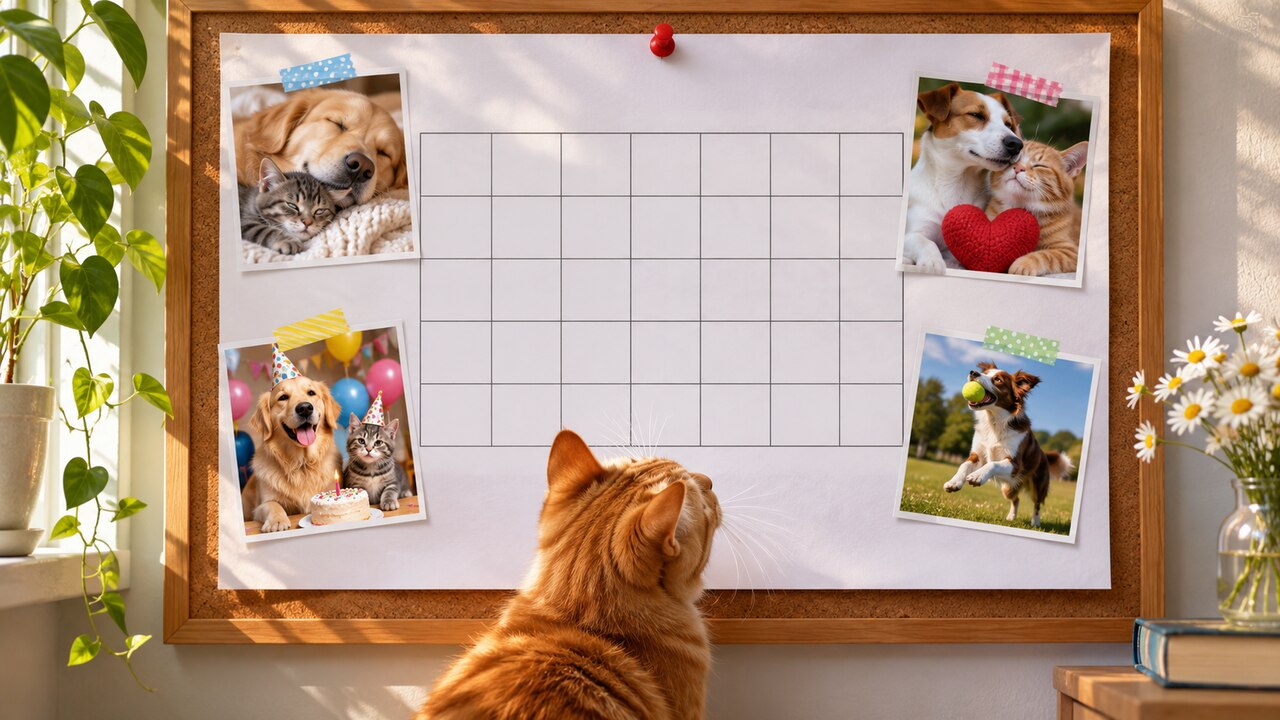
Lasts are only ever recognized late — the last carried up the stairs, the last full-speed sprint. The practice that honors them is unglamorous: keep taking the ordinary photos, so that when a "last" turns out to have happened, some version of it exists. This is the quiet argument for the annual-series habit (the checklist): it photographs ordinary years, and one of them will quietly be the last ordinary year.
Senior pets: a different photography
- Light matters more — older coats and eyes benefit from the soft window work in the indoor guide; dark senior coats get their own treatment.
- Slow the session down — comfort first, one good frame per sitting, no tricky poses.
- Photograph the dignity — the grey muzzle at rest beats a strained "spunky" setup. The portrait version, when you want it, is here — take it at the pet's pace.
When to put the camera down
The rule that keeps all of this honest: the milestone is the milestone; the photo is optional. First-snow happens once — if wrestling the phone means missing the look on their face, miss the photo. The second-best photo of a first, taken a minute later, still has everything that mattered in it.
Frequently asked questions
How do I photograph a fast-moving first — snow, water, zoomies?
Burst mode and light. Motion needs light to freeze; shoot toward a window or with the sun behind you, hold the shutter through the moment, and pick later. The basics guide has the settings.
What about videoing firsts instead?
Both, if you can spare a hand. The clip keeps the motion and sound; the still frame is what ends up framed and shared — and one good still can later become a moving version via photo-to-video.
Any milestone photos people regret not taking?
One, consistently: the ordinary full-body portrait from each year of the pet's life. It's the least dramatic photo and the most useful — for health comparison, for portraits, and one day for remembering exactly how they were.