When an AI portrait comes back with a drifted face or a coat that isn't quite yours, the prompt usually gets the blame. More often, the cause is quieter: the reference photo. Everything a model knows about what you and your pet look like arrives through those uploads — a weak one taxes every single run that follows it.
This is the guide to the photos worth taking first. It pairs with the general pet photography guide, which covers the craft; this page is about the specific job of being a reference.
The five qualities that matter
- Sharp where it counts. The eyes and coat in focus. Motion blur that looks "kind of nice" as a photo is missing information the model cannot invent back.
- Even, soft light. Window light, overcast daylight. The goal is a true record of the coat's color and your face's structure — harsh shadows lie about both.
- True colors. No heavy filters, no warm tungsten glow. If the reference says your black cat is brown, some of your results will agree with it.
- One clear subject. Your pet alone, you alone — plus one together shot if you want a pose reproduced. A group photo of three pets makes the model guess which identity to keep.
- Recent enough to be true. The haircut, the weight, the current coat length. A two-year-old photo produces a two-year-old rendering.
The three photos of your pet to upload
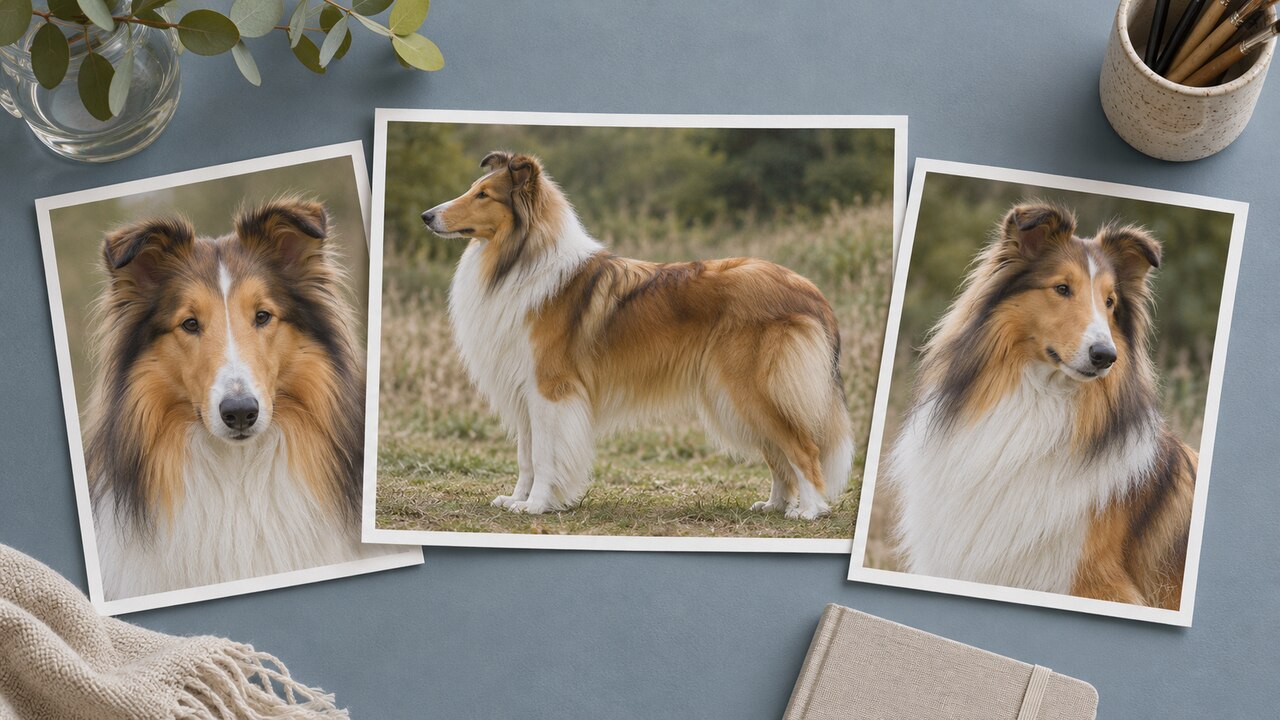
- Full body, side-on. The most underrated reference in the set: it records build, proportions and the complete markings map in one frame.
- Face close-up from the front or three-quarter, eyes visible.
- The markings shot — whatever makes your pet unmistakable. Blaze, socks, the patch over one eye, the kink in the tail. If it's how people recognize them, it belongs in a reference.
For yourself: one front-facing, evenly lit photo with your full face, plus a three-quarter angle if you have it. Glasses on if you wear them — but not sunglasses; tinted lenses hide the part of a face models rely on most.
Photos to retake before uploading
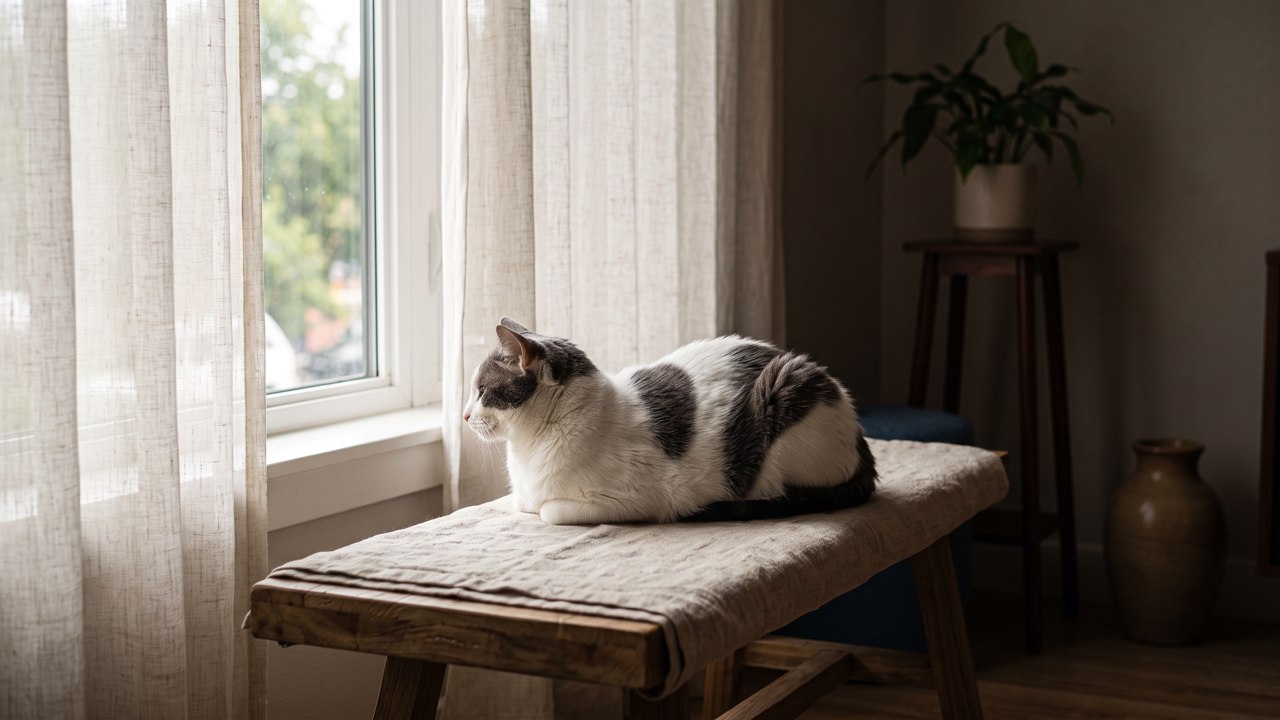
- The dark-coat-in-a-dark-corner photo. A black cat on a charcoal couch reads as a silhouette with ears. Retake near a window against a lighter background — or follow the dark-coat guide.
- Heavy-filter vacation shots. If the photo looks graded, the model inherits the grade as if it were your actual coloring.
- Extreme angles. Straight-down shots of a dog, chin-resting-on-floor cat photos. Charming as photos, misleading as anatomy references.
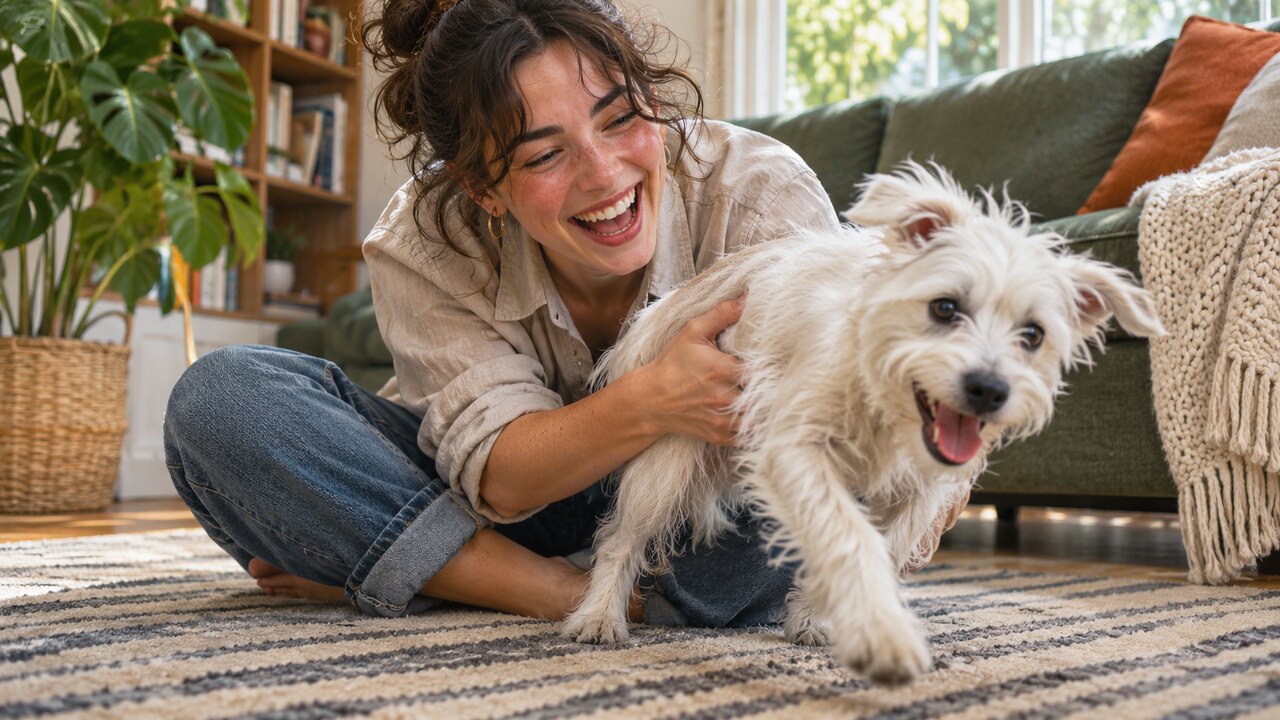
- Anything with a photobomber. Another pet, a hand, a toy directly in front of the face. Crop or retake.
From photos to portrait
Once your set is ready, the flow is short: pick a scene in the template gallery, open the image generator, upload your references, and check that the prompt names the markings you care about. Then generate, and judge the result against the reference — the expectations guide shows exactly how.
One habit worth forming: when a result nails the identity but you want a different scene, keep it and rerun with the new scene. The best reference for a second portrait is sometimes the first portrait you already approved.
Frequently asked questions
Can I use old photos of a pet who has passed?
Yes, and many people do exactly that. The quality bar is the same — sharp, evenly lit, markings visible — so pick the clearest photos from that time rather than the most emotionally loaded ones.
Do I need photos of us together?
No. Separate photos of you and your pet are the standard input. One together shot helps only when you want a specific real pose reproduced.
Is more references always better?
Three to five good ones beat a dozen mixed ones. Every extra photo adds a version of "the truth" for the model to weigh — keep the set small and consistent.